
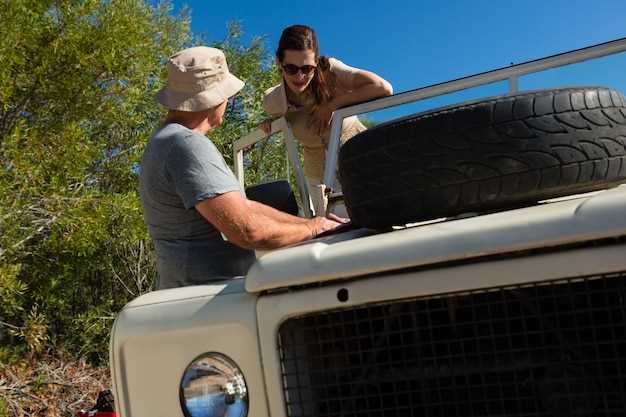
When it comes to enhancing your Jeep’s off-road capabilities, choosing the right lift kit is paramount. A well-selected lift kit not only improves ground clearance but also allows for larger tires, which significantly boosts traction on challenging terrains. Understanding the various types of lift kits available is essential for making an informed decision that suits your driving style and off-road ambitions.
There are several factors to consider when evaluating lift kits, including your specific Jeep model, the desired height of the lift, and the types of off-road conditions you plan to tackle. Some lift kits are designed for mild elevation with minimal impact on handling, while others are tailored for extreme off-roading adventures. This guide will provide you with the insights needed to navigate through the options and select the best lift kit for your Jeep, ensuring both performance and safety.
Furthermore, it’s critical to consider the long-term effects of installing a lift kit. From suspension geometry to potential warranty issues, understanding the implications of your choice can save you time and money down the road. In the following sections, we will delve into the specifics of different lift kit types, installation processes, and essential tips for maintaining your lifted Jeep, bringing you one step closer to achieving your off-road goals.
Understanding Different Types of Lift Kits
When it comes to enhancing your Jeep’s off-road capabilities, selecting the right lift kit is crucial. There are several types of lift kits available, each designed to cater to specific needs and preferences. Understanding these options can help you make an informed decision.
Body Lift Kits are one of the most basic types of lift kits. They use spacers placed between the body and frame of the vehicle to raise the body without modifying the suspension. This type generally offers around 1 to 3 inches of lift and is primarily used to fit larger tires while maintaining the factory suspension geometry.
Suspension Lift Kits, on the other hand, involve a more complex modification. These kits raise the vehicle by altering the suspension components such as shocks, springs, and control arms. This type of lift provides improved performance on rugged terrain and typically allows for greater lift compared to body lift kits, often ranging from 2 to 6 inches or more.
Leveling Kits are a popular choice for those looking to eliminate the factory rake, which is the difference in height between the front and rear of the Jeep. These kits provide a modest lift at the front of the vehicle, ensuring an even stance. Leveling kits are often simpler to install and can enhance the aesthetic appeal without significantly modifying the suspension.
Lastly, Combo Lift Kits integrate both body and suspension lifts for maximum performance. These kits provide extensive height increases and improve off-road capabilities by enhancing approach and departure angles. They are ideal for serious off-road enthusiasts who require superior clearance and articulation in challenging environments.
Choosing the right type of lift kit largely depends on your intended use, budget, and desired performance. Understanding the differences among these kits will help you select the best option for your Jeep.
Factors to Consider When Choosing a Suspension Lift

When selecting a suspension lift kit for your Jeep, several crucial factors come into play. Understanding these elements will help ensure that you choose the right kit for your specific needs and preferences.
Firstly, consider the lift height. Lift kits typically range from 1 inch to over 6 inches. The amount of lift you select should correspond with your intended use. For instance, if you are primarily off-roading, a higher lift could provide increased clearance for larger tires and better approach angles.
Secondly, examine the type of lift kit. There are primarily two types: body lift kits and suspension lift kits. Body lift kits raise the body of the Jeep without affecting the suspension, while suspension lift kits alter the suspension components, providing a more significant increase in height and performance. Make sure to choose a type that aligns with your driving style and off-road requirements.
Another important aspect is compatibility with other modifications. If you plan to upgrade tires, wheels, or other components, ensure that the lift kit will work seamlessly with these modifications. Compatibility can affect ride quality and vehicle handling.
In addition to compatibility, consider the quality of the lift kit. Research and choose reputable brands known for their durability and performance. High-quality materials and construction will lead to a longer lifespan and enhance your Jeep’s overall performance.
Finally, installation complexity should be assessed. Some lift kits require professional installation, while others can be installed by enthusiasts with moderate mechanical skills. Evaluate your own abilities and determine whether you need to factor in additional costs for professional help.
| Factor | Description |
|---|---|
| Lift Height | Amount of height increase, ideally matched to usage. |
| Type of Kit | Body lift vs. suspension lift: impacts performance and aesthetics. |
| Compatibility | Ensure the kit works with existing modifications. |
| Quality | Choose reputable brands for better durability and performance. |
| Installation | Consider your skill level and potential installation costs. |
How Lift Height Affects Jeep Performance
The lift height of a Jeep plays a crucial role in its overall performance, influencing factors such as handling, stability, and off-road capability. When selecting a lift kit, it is essential to understand how varying lift heights can impact these elements.
First and foremost, increasing the lift height can enhance ground clearance, allowing the vehicle to navigate over rocks, logs, and other obstacles more effectively. This is especially beneficial for off-road enthusiasts looking to tackle challenging terrain. However, a significant increase in lift can also lead to a higher center of gravity, which may affect stability during cornering and on-road driving.
Lift height also impacts suspension travel. A well-designed lift kit will allow for greater suspension articulation, improving the Jeep’s ability to maintain traction on uneven surfaces. However, excessive lift can result in limited suspension movement, which can compromise performance and comfort when driving off-road.
Moreover, the lift height can influence the gearing and drivetrain dynamics of your Jeep. A taller lift may necessitate changes in gearing to ensure the vehicle operates smoothly and efficiently. Failing to adjust gears after a lift can lead to sluggish acceleration and decreased fuel efficiency.
Finally, lift height can dictate the size of tires that can be installed. Larger tires provide better traction and off-road capability, but they require sufficient lift to avoid rubbing against the fenders or suspension components. Choosing the right lift kit ensures compatibility with the desired tire size while maintaining optimal performance.
Common Installation Methods and Requirements
When it comes to installing a lift kit on your Jeep, understanding the common methods and requirements can greatly impact the success of your project. The two primary installation methods are professional installation and do-it-yourself (DIY) approaches. Each method has its own set of requirements.
Professional installation is often recommended for those who may not have extensive mechanical experience. This method ensures that the lift kit is installed correctly, maintaining the integrity of the suspension system. A professional will have the necessary tools, equipment, and expertise to handle any challenges that may arise during installation. Additionally, professional service often includes a warranty for both labor and parts, providing peace of mind.
For those opting for the DIY route, a basic understanding of mechanics is essential. Before commencing, ensure you have the appropriate tools, including sockets, wrenches, a jack, and stands for safety. It’s crucial to read the installation manual provided with the lift kit thoroughly. Each kit may have specific torque specifications and unique components that require careful attention.
Regardless of the chosen method, there are common requirements that should be met. First, ensure that the lift kit is compatible with your Jeep model. Verify that all necessary hardware and components are included with your kit, as missing parts can lead to installation delays or compromised performance. Secondly, a proper workspace is key. A clean, well-lit area with enough room to maneuver is essential for a smooth installation process.
Finally, after installation, an alignment is highly recommended. A lift kit alters the geometry of your Jeep’s suspension, and failing to align the wheels properly can lead to uneven tire wear and handling issues. Taking the time to follow these installation methods and requirements will ensure a successful lift kit installation, enhancing both the performance and appearance of your Jeep.
Budgeting for Your Lift Kit Purchase and Installation
When planning to upgrade your Jeep’s suspension with a lift kit, budgeting is a crucial step that ensures you make informed decisions. First, determine the type of lift kit you desire–options include body lifts, suspension lifts, or leveling kits. Each type varies in price due to the complexity of installation and the materials involved.
On average, you can expect to spend anywhere from $200 to $1,500 on the lift kit itself. While basic kits are more affordable, premium options often include advanced components that enhance performance. Consider your budget and how much you are willing to invest in both the lift and its potential benefits, such as increased ground clearance and improved off-road capabilities.
Next, factor in installation costs, especially if you lack mechanical expertise. Professional installation fees typically range from $300 to $1,000, depending on the complexity of the lift kit and labor rates in your area. If you choose to install the kit yourself, ensure you have the necessary tools and skills to avoid costly mistakes.
Additionally, set aside extra funds for potential modifications required after installation. Lifting your Jeep can impact other components, such as alignment, brake lines, driveshafts, and even tires. Consider these aspects when budgeting to ensure a smooth transition to your new suspension setup.
Lastly, don’t forget to account for ongoing maintenance expenses. A lifted Jeep may require more frequent checks and servicing to ensure safety and performance. By developing a comprehensive budget that includes all these factors, you’ll be better positioned to enjoy your Jeep’s enhanced capabilities for years to come.
Maintaining Your Jeep After Lift Kit Installation
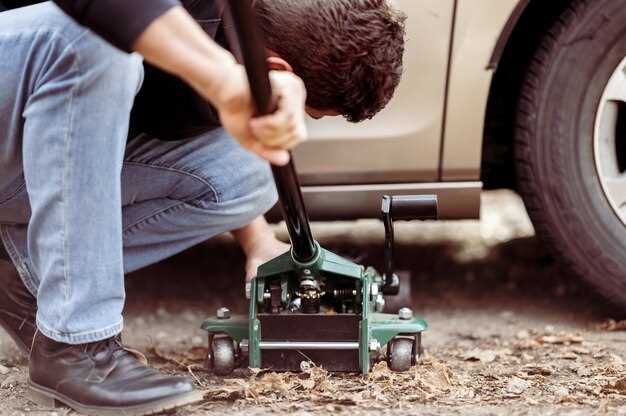
Installing a lift kit on your Jeep is an exciting upgrade that can enhance its off-road capabilities and aesthetics. However, proper maintenance is crucial to ensure optimal performance, safety, and longevity of your vehicle. Here are some essential maintenance tips to keep in mind after your lift kit installation:
- Regular Suspension Inspections:
Frequently check the suspension components such as control arms, shock absorbers, and sway bar links for any signs of wear or damage. Look for leaks in the shocks as well.
- Wheel Alignment:
After installing a lift kit, a proper wheel alignment is necessary. Misalignment can lead to uneven tire wear and affect handling. Schedule an alignment check every few months or after any significant off-road adventures.
- Tire Maintenance:
- Inspect tire pressure regularly to ensure it meets the recommended levels for your lifted suspension.
- Rotate your tires every 5,000 to 7,500 miles to promote even wear, especially if you notice any unusual patterns.
- Check for tread wear and replace tires if they are worn down or damaged.
- Lubrication of Moving Parts:
Lubricate all moving components of the suspension system, including bushings and joints. This helps reduce friction and prolongs the life of these parts.
- Monitor Ride Quality:
Be attentive to any changes in ride quality. If you notice excessive bouncing, pulling to one side, or any unusual noises, investigate promptly, as these can indicate underlying issues.
- Check for Clearance Issues:
Ensure that there is sufficient clearance between your tires and the body of your Jeep, especially when turning or during suspension travel. Adjustments may be necessary to prevent rubbing.
- Inspect Brake Lines and Other Components:
Lift kits can alter the angle of various components, including brake lines. Ensure that all lines are properly secured and not under excessive strain.
By adhering to these maintenance practices, you can maximize the performance of your lifted Jeep and ensure that it remains a reliable companion for your adventures. Regular attention to your suspension and related components will extend their lifespan and enhance your overall driving experience.


