
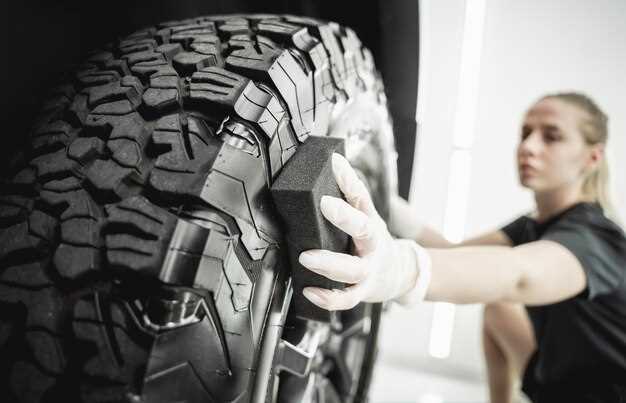
If you’re an avid off-road enthusiast, selecting the right tires for your Jeep can significantly enhance your adventure experience. A well-chosen set of tires can provide the necessary traction, stability, and comfort to tackle rugged terrains with confidence. Whether you’re traversing rocky hills, muddy trails, or sandy dunes, the right tires are essential for optimal performance.
When considering off-road tires, several factors come into play, including tread design, rubber composition, and size. The tread pattern, in particular, plays a crucial role in determining how well your Jeep will perform in various conditions. For instance, aggressive tread designs with deep grooves offer superior grip on loose surfaces, while more moderate patterns might provide better stability on hard-packed roads.
Additionally, the selection of tire size impacts not just capability in off-road scenarios but also overall vehicle handling and comfort. It’s essential to strike a balance between larger tires for enhanced ground clearance and smaller options that maintain drivability on standard roads. Investing time in understanding your specific off-road expectations will guide you towards the ideal tires for your Jeep, setting the stage for unforgettable adventures ahead.
Understanding Off-Road Tire Types for Your Jeep
Choosing the right tires for your Jeep is crucial for maximizing off-road performance. Different tire types are designed for specific conditions and terrains, and understanding these differences will help you make an informed decision.
- Mud-Terrain Tires:
These tires are characterized by deep treads and large voids, making them ideal for navigating muddy and slippery terrains. The aggressive design helps in maintaining traction while displacing mud and soft soil.
- All-Terrain Tires:
All-terrain tires offer a versatile solution for Jeep owners who split their time between on-road and off-road driving. They feature a more moderate tread pattern that provides good traction on various surfaces, including dirt, gravel, and mild mud.
- Rock-Crawling Tires:
Designed for extreme off-road conditions, rock-crawling tires have a very robust construction with reinforced sidewalls. They feature larger, more rugged treads to help grip sharp rocks and overcome obstacles while maintaining vehicle stability.
- Sand Tires:
For sand dunes and loose sand environments, specialized sand tires are essential. They are wider and have a unique tread design that prevents sinking, allowing your Jeep to glide over soft surfaces effortlessly.
When selecting the right off-road tires, consider the following factors:
- Terrain: Assess the common environments where you will be driving your Jeep. Different terrains require specific tire features.
- Driving Style: Think about how aggressively you plan to drive off-road. Some tires perform better at high speeds, while others excel in slow, technical conditions.
- Size: Tire size affects ground clearance and handling. Ensure your chosen tires fit your wheels properly and suit your Jeep model.
- Durability: Off-road tires should withstand rough conditions. Look for reinforced models that resist punctures and cuts.
Selecting the appropriate off-road tires will significantly enhance your Jeep’s adventure capabilities, ensuring safety and performance while tackling rugged trails.
Assessing Terrain Conditions for Optimal Tire Selection
When embarking on off-road adventures with your Jeep, the selection of the right tires is crucial for achieving optimal performance and safety. To make an informed choice, it’s essential to assess terrain conditions thoroughly. Different surfaces present unique challenges that require specific tire characteristics.
Consider the following types of terrains commonly encountered in off-road scenarios:
| Terrain Type | Recommended Tire Features |
|---|---|
| Loose Sand | Wide treads, low air pressure, and aggressive patterns to prevent sinking. |
| Mud | Deep, well-spaced tread patterns to allow for self-cleaning and maximized traction. |
| Rocks | Sturdy sidewalls and puncture resistance; intermediate tread for grip without excessive flex. |
| Snow | Studdable or all-terrain tires with enhanced traction features and softer rubber compounds. |
| Waterlogged Areas | Tires with excellent drainage capabilities to avoid hydroplaning and maintain traction. |
Evaluating the terrain involves not just identifying the surface type but also understanding its condition–wet, dry, rocky, or compacted. For instance, rocky paths require tougher tires that can withstand sharp edges, while muddy trails call for tires designed to prevent clogging. A mixed terrain may necessitate a versatile tire that balances both traction and durability.
Additionally, tire size plays a significant role in enhancing off-road capabilities. Larger tires provide better ground clearance and obstacle negotiation, while smaller tires may be more effective in tight, technical sections. Therefore, the size should match the vehicle’s modifications and the intended terrain challenges.
In conclusion, knowledge of the terrain conditions directly influences the decision-making process for Jeep tire selection. Prioritizing the right features tailored to the environment will not only improve performance but also enhance safety across all your off-road adventures.
Choosing the Right Tire Size for Your Jeep Wheels
When it comes to off-road adventures, selecting the appropriate tire size for your Jeep wheels is crucial for optimal performance and safety. The tire size not only influences your vehicle’s traction and stability but also affects its overall handling in rugged terrains.
First and foremost, consider the type of off-road conditions you will encounter. If you plan to tackle rocky trails or muddy landscapes, larger tires with deeper treads will provide better grip and help prevent getting stuck. Typically, tires in the range of 31 to 35 inches in diameter are ideal for most off-road environments, as they strike a balance between height and maneuverability.
Moreover, it is essential to check your Jeep’s specifications and any modifications you have made. Lifting your Jeep can affect the fit of larger tires. While larger tires can enhance ground clearance, they require adequate wheel well space, and you may need to make adjustments to your suspension or fenders to accommodate them properly.
Another vital factor to consider is the width of the tires. Wider tires can distribute weight more effectively and offer increased surface contact, which is particularly beneficial when driving on loose surfaces such as sand or snow. However, too wide of a tire can compromise the Jeep’s steering response, so it’s essential to find a width that complements your driving style and the terrain.
Lastly, pay attention to the tire’s aspect ratio, which is the height of the tire’s sidewall relative to its width. A lower aspect ratio generally improves handling on hard-packed surfaces but may decrease performance in softer, off-road terrains. Balancing these elements will ensure that your Jeep is well-equipped for all the challenging off-road adventures ahead.
Evaluating Tread Patterns for Enhanced Traction
When selecting tires for an off-road Jeep adventure, understanding tread patterns is essential for maximizing traction on various surfaces. The tread pattern significantly influences how well the wheels grip the terrain, whether it’s loose dirt, mud, or rocky paths.
Deep, aggressive tread patterns are designed for optimal performance in off-road conditions. These patterns feature taller lugs that dig into soft surfaces, providing enhanced grip. A wide space between the lugs helps prevent mud and debris from clogging the tread, ensuring consistent contact with the ground.
For rocky terrains, tires with a more rigid and closely spaced tread pattern might be beneficial. These designs can offer increased stability and control, reducing the risk of punctures while climbing and navigating uneven surfaces. Tires with reinforced sidewalls also provide added protection against sharp rocks and obstacles.
Additionally, a balanced combination of tread types can be advantageous. Some off-road tires incorporate features suited for both mud and rocky terrains, allowing for versatility in various conditions. Jeep enthusiasts should assess their typical driving environments to select the most appropriate tread design that enhances the wheel’s performance.
Ultimately, the right tread pattern can significantly enhance traction, ensuring a safer and more enjoyable off-road experience. By evaluating the specific demands of their adventures, Jeep owners can choose tires that deliver the best performance on rugged trails.
Balancing Durability and Performance in Off-Road Tires

When selecting off-road tires for your jeep, striking the right balance between durability and performance is essential. Off-road adventures often subject tires to extreme conditions, including rocky terrains, mud, and sand. Choosing tires that can withstand these harsh environments while providing superior traction is crucial for an enjoyable experience.
Durability is a key factor when considering off-road tires. Robust materials, reinforced sidewalls, and strong tread patterns significantly contribute to a tire’s longevity. Tires designed for extreme conditions often incorporate specialized compounds that resist cuts, punctures, and abrasions. This durability ensures that your wheels can handle rough landscapes without the frequent need for replacements.
On the other hand, performance is equally vital. The tread design of off-road tires plays a significant role in how they perform. Deep, aggressive tread patterns enhance grip on various surfaces, allowing for better maneuverability and control. Features such as self-cleaning capabilities can also improve traction by expelling mud and debris, making the overall driving experience smoother and more confident.
Ultimately, it is important to consider the type of terrain you will encounter during your jeep adventures. For rocky paths, focus on tires that offer maximum durability, while for muddy or sandy terrain, prioritize tread design that optimizes grip. Balancing these aspects will lead to a more successful and enjoyable off-road journey. Selecting the right combination of durability and performance ensures that your jeep wheels can tackle any challenge that the wilderness throws your way.
Maintenance Tips for Extending the Life of Your Off-Road Tires

Proper maintenance of your off-road tires is crucial for ensuring their longevity and performance during rugged adventures. To maximize the lifespan of your tires, start with regular inspections. Check for any signs of damage, such as cuts, punctures, or irregular wear patterns. Addressing these issues promptly can prevent further deterioration and costly replacements.
Maintaining correct tire pressure is essential for optimal performance. Over-inflated tires can lead to increased wear and reduced traction, while under-inflated tires can result in overheating and blowouts. Always refer to the manufacturer’s specifications and adjust pressures according to driving conditions, especially when transitioning between on-road and off-road terrains.
Proper alignment and balancing of your wheels play a significant role in tire health. Misalignment can cause uneven wear, negatively affecting handling and steering. Schedule regular alignments to ensure your off-road tires wear evenly and provide the best traction and stability.
Another vital aspect of tire care is ensuring proper rotation. Rotating your off-road tires every 5,000 to 7,500 miles promotes even wear across all tires, extending their usable life. Follow the recommended rotation pattern specific to your tire type and vehicle to achieve uniform wear.
When tackling rough trails, be cautious of obstacles that can damage your tires. Avoiding sharp rocks, tree roots, and other potential hazards can significantly decrease the risk of punctures. Furthermore, be aware of the terrain conditions and adjust your driving techniques accordingly to minimize stress on your tires.
Lastly, store your off-road tires properly when they are not in use. Keep them in a cool, dry place away from direct sunlight and harsh chemicals that could degrade the rubber. Utilizing tire covers can help protect them from environmental factors and prolong their life.


