
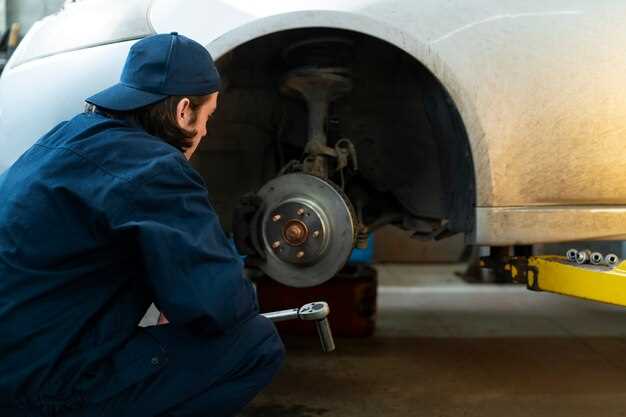
Maintaining the safety of your off-road vehicle is essential for optimal performance, especially when it comes to the braking system. Brake pads play a crucial role in ensuring that your vehicle can effectively slow down or stop in various terrains. Understanding when to replace these pads can mean the difference between a smooth ride and potentially hazardous situations.
Identifying the signs that indicate it’s time to replace your brake pads is vital. Common indicators include unusual noises, reduced braking efficiency, and visible wear on the pads themselves. Ignoring these signs can compromise your vehicle’s safety features, leading to more significant issues down the road.
Knowing the optimal timing for replacement is equally important. Regular inspections along with adhering to manufacturer recommendations are key to ensuring that your brake pads are always in good condition. Proactive maintenance not only enhances your driving experience but also ensures your safety while navigating challenging off-road environments.
Identifying Worn Brake Pads in Off-Road Conditions
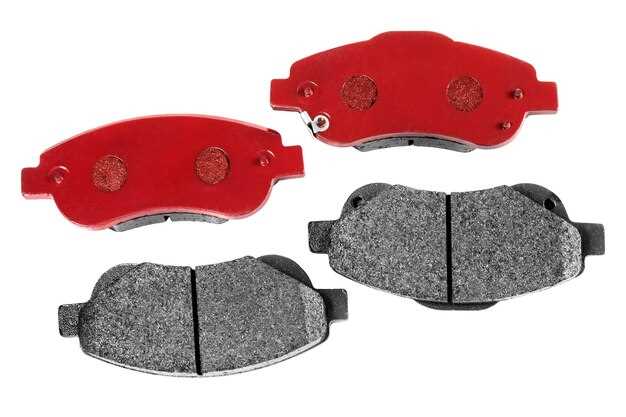
Recognizing worn brake pads in 4×4 vehicles is crucial for maintaining safety during off-road adventures. Off-road conditions, with their unique challenges, can accelerate brake pad wear, making it essential to conduct regular inspections.
One key indicator of brake pad wear is reduced braking performance. If you notice an extended stopping distance or a spongy brake pedal, it may indicate that the brake pads are thinning. Off-road activities often involve steep declines and sudden stops, which can exacerbate this issue.
Another sign to watch for is unusual noise during braking. If you hear squeaking or grinding sounds, this often means the brake pads have worn down to the metal backing plate. This not only compromises braking efficiency but can also damage the rotors, leading to costly repairs.
| Signs of Worn Brake Pads | Description |
|---|---|
| Reduced Braking Performance | Longer stopping distances or a soft pedal feel. |
| Unusual Noises | Squeaking or grinding sounds when braking. |
| Vibration or Pulsation | Feelings of vibration in the brake pedal when applying brakes. |
| Warning Light | Brake warning light illuminated on the dashboard. |
Visual inspection is another effective way to determine brake pad condition. When inspecting your brake pads, look for a thickness of less than 1/4 inch, which usually signifies that replacement is necessary. Additionally, check for uneven wear patterns, which could signal other issues within the braking system.
In summary, being proactive in identifying worn brake pads will enhance your safety during off-road activities. If any of these signs are present, consider replacing the brake pads before your next adventure. Regular maintenance ensures that your 4×4 performs optimally, keeping you safe on rugged terrains.
Key Symptoms Indicating Urgent Brake Pad Replacement
Identifying the right time to replace brake pads in your 4×4 vehicle is crucial for maintaining optimal safety and performance. Several key symptoms can indicate that your brake pads require immediate attention.
One of the most prominent signs is a persistent squeaking or squealing noise when braking. This sound is usually caused by a wear indicator designed to alert drivers that the pads are nearing the end of their lifespan. If you hear this noise regularly, it’s essential to inspect your brake pads as soon as possible.
Another critical symptom is a grinding noise that occurs when you apply the brakes. This sound usually indicates that the brake pads have worn down to the point where the metal backing is exposed, leading to potential damage to the rotors. Continuing to drive under these conditions can result in costly repairs.
Vibration or pulsation in the brake pedal when stopping can also suggest that the brake pads are wearing unevenly or that the rotors may be warped. This issue not only affects braking efficiency but can also compromise your safety while driving off-road.
Furthermore, if you notice a decrease in braking responsiveness or increased stopping distances, it’s a clear indication that your brake pads are not functioning properly. This symptom can be particularly dangerous when navigating rough terrains common in off-road driving.
Lastly, regularly checking your brake pad thickness can help you identify when replacement is necessary. If the pads are less than 1/8 inch thick, they should be replaced immediately to ensure adequate braking performance when driving your 4×4.
Understanding Brake Pad Lifespan for 4×4 Vehicles
The lifespan of brake pads in 4×4 vehicles is crucial for overall safety and performance, particularly given the demands of off-road driving. Brake pads are subjected to various conditions, including rough terrains, steep descents, and heavy loads, which can significantly affect their durability.
On average, the lifespan of brake pads for 4×4 vehicles can range between 30,000 to 70,000 miles, depending on several factors. These include driving habits, the type of terrain, and the weight of the vehicle. For example, frequent braking on steep inclines or in muddy conditions can lead to faster wear and tear.
Driving Style plays a significant role in the wear of brake pads. Aggressive driving, with hard braking and rapid acceleration, can cause pads to wear out more quickly. Conversely, a smoother driving style can extend their lifespan.
The quality of brake pads also affects longevity. Investing in high-quality pads specifically designed for off-road conditions can provide better durability, heat resistance, and performance. Organic, ceramic, or semi-metallic pads each have unique benefits, so choosing the right type for your 4×4 is vital.
Moreover, regular maintenance is essential to monitor the condition of brake pads. Inspecting them routinely and looking for signs of wear, such as thinning material or unusual noises, ensures they are functioning properly. Early replacement of worn pads not only maintains safety but also prevents damage to other braking components.
In conclusion, understanding the lifespan of brake pads in 4×4 vehicles is essential for safety and performance during both on-road and off-road adventures. By taking into account driving habits, terrain, and the quality of brake pads, drivers can effectively manage their replacements and ensure a safe driving experience.
Best Practices for Inspecting Off-Road Brake Systems
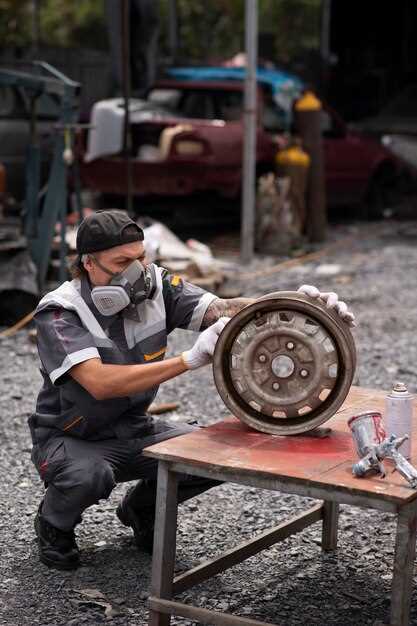
Regular inspection of off-road brake systems is crucial for maintaining safety during 4×4 adventures. Start by checking the brake pads for signs of excessive wear. Inspect for uneven wear patterns, which could indicate misaligned calipers or other issues.
Next, examine the brake rotors for scoring, warping, or cracking. Any visible damage can affect braking performance and should be addressed immediately. Additionally, ensure that the rotor surface is clean and free from debris that may interfere with braking efficiency.
Fluid levels are another critical aspect of brake system inspection. Check the brake fluid reservoir for adequate levels and look for any signs of leaks around hoses and fittings. Low fluid can lead to brake failure, so prompt refilling or replacement of faulty components is essential.
Pay attention to the brake lines for signs of wear or corrosion. Any fluid loss due to damaged lines can compromise the entire braking system. Additionally, ensure that all hardware, including bolts and clips, are secure and free from rust.
Test the brake pedal for firmness and responsiveness. A spongy pedal can indicate air in the brake lines or low fluid levels. Conduct a road test in a controlled environment to confirm that the braking system engages smoothly and efficiently.
Finally, consider environmental factors that may affect your brake system. Off-road conditions can introduce dirt and moisture, leading to premature wear. Regular maintenance, including cleaning and protecting components, will help prolong the life of your off-road brake pads and ensure reliable performance in rugged terrain.
Choosing the Right Brake Pads for Off-Road Performance
When venturing into off-road terrains, selecting the appropriate brake pads is crucial for maintaining safety and enhancing performance. The right brake pads can significantly affect your vehicle’s ability to stop effectively in challenging conditions. Here are key factors to consider:
- Material Composition: Off-road brake pads typically come in several materials, such as organic, semi-metallic, and ceramic. Each has its advantages:
- Organic pads offer a quieter performance and are often less abrasive on the brake rotors.
- Semi-metallic pads provide better heat dissipation and are ideal for high-performance demands, although they may wear down rotor surfaces faster.
- Ceramic pads combine low dust production with reliable stopping power, making them suitable for varied off-road conditions.
- Heat Resistance: Off-road driving generates more heat due to rough terrains. Choose pads that can withstand higher temperatures without fading to enhance braking reliability.
- Moisture Resistance: In many off-road scenarios, moisture is unavoidable. Ensure that the brake pads have good moisture resistance to prevent performance loss.
- Performance Rating: Look for brake pads specifically designed for off-road use. Check their performance ratings and reviews to ensure they can handle the demands of rugged driving.
In conclusion, the right brake pads are essential for ensuring safety and enhancing off-road performance. By carefully weighing material options, heat resistance, moisture handling, and performance ratings, you can make a well-informed decision that will contribute to a safer and more enjoyable off-road experience.
Maintaining Safety Standards During Brake Pad Replacement
When replacing brake pads on your 4×4 vehicle, prioritizing safety standards is crucial. Proper maintenance of brake components ensures efficient operation and minimizes the risk of accidents. Begin by selecting high-quality pads that meet or exceed manufacturer specifications to guarantee optimal performance.
Before starting the replacement process, make sure to use the right tools and equipment. Utilize a jack and jack stands to securely lift the vehicle, preventing any potential injuries while you work. Additionally, wear protective gear such as gloves and safety glasses to shield yourself from debris and contaminants that may be present in the brake assembly.
It’s essential to follow a systematic approach during replacement. First, familiarize yourself with the vehicle’s manual to understand the correct torque specifications for the brake components. Tightening bolts and nuts to the appropriate levels is critical for safety and proper function.
Keep in mind that brake pads must be bedded in after installation to promote effective braking performance. This process involves gradually applying the brakes during initial driving to ensure the pads and rotors make proper contact. Following this procedure enhances stopping power, contributing to overall safety standards.
Finally, conduct a thorough inspection after replacing the pads. Look for any signs of wear on other brake components, such as rotors and calipers, and address any issues immediately. Regular checks and maintenance help maintain safety and ensure that your 4×4 performs optimally on and off the road.


