
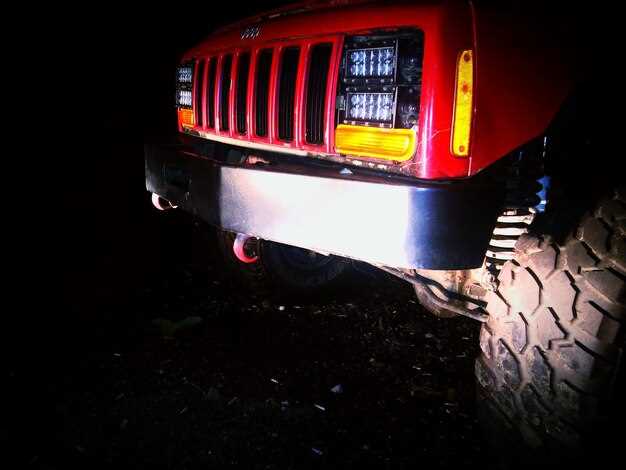
The importance of reliable headlights in your Jeep cannot be overstated. They are not just a means to illuminate the road ahead; they play a critical role in ensuring your safety and the safety of others. As drivers venture into darker terrains or navigate adverse weather conditions, quality headlights can significantly enhance visibility and reaction time. Upgrading your Jeep’s headlights is a straightforward yet transformative modification that can greatly improve your driving experience.
Modern advancements in lighting technology offer a plethora of options to enhance your Jeep’s headlights. From LED to HID systems, each upgrade comes with its own set of advantages, allowing you to choose the best fit for your needs. Enhanced brightness, reduced power consumption, and longer lifespan are just a few reasons why upgrading your headlights is worth considering. With improved visibility, you can navigate difficult terrains, avoid potential hazards, and enjoy a safer ride during nighttime adventures.
In this article, we will explore the various options available for upgrading your Jeep headlights, the installation process, and the benefits you can expect from this essential enhancement. Whether you’re an off-road enthusiast or simply seeking to improve your evening commutes, understanding how to upgrade your headlights effectively can make all the difference.
Choosing the Right Headlight Bulbs for Your Jeep
When considering an upgrade to your Jeep’s headlights, selecting the appropriate bulbs is crucial for enhancing visibility during nighttime driving and adverse weather conditions. The right headlight bulbs not only improve the clarity of the road ahead but also ensure your safety and that of other drivers.
First, determine the type of headlight bulbs compatible with your Jeep’s make and model. Most Jeeps use halogen, HID (High-Intensity Discharge), or LED (Light Emitting Diode) bulbs. Each type has distinct advantages; for instance, LED bulbs offer greater energy efficiency and longer lifespans, while HID bulbs generate a more powerful light output.
Next, consider the brightness of the bulbs, measured in lumens. Higher lumen ratings provide increased visibility, allowing you to see farther and more clearly. However, be cautious when selecting bulbs that are excessively bright, as they may dazzle oncoming drivers, reducing overall road safety.
You should also think about the color temperature of the bulbs. Bulbs with a color temperature ranging from 4000K to 6000K tend to emulate daylight and provide better contrast on the road, improving visibility without causing eye strain.
Finally, check for durability and weather resistance. High-quality bulbs are designed to withstand harsh conditions and vibrations, delivering consistent performance over time. By making an informed choice, you’ll effectively upgrade your Jeep’s headlights to enhance visibility and ensure a safer driving experience.
Installing LED Headlights: A Step-by-Step Guide
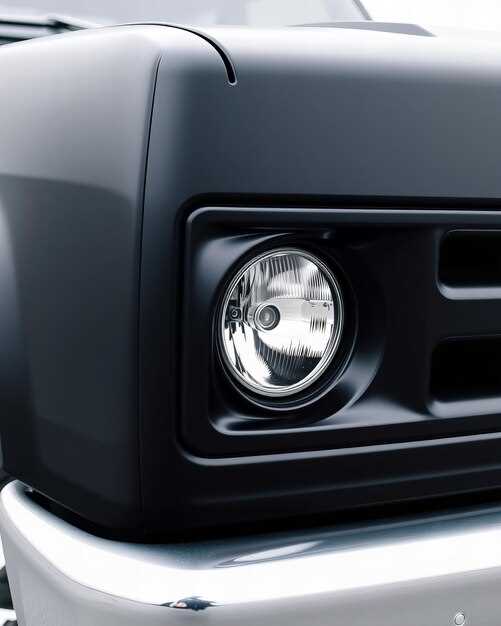
Upgrading your Jeep’s headlights to LED can significantly enhance visibility during nighttime driving. Follow this step-by-step guide to ensure a successful installation of LED headlights.
| Step | Instructions |
|---|---|
| 1. Gather Tools and Materials | Collect necessary tools such as a screwdriver, gloves, and your new LED headlights. Ensure that the headlights are compatible with your Jeep model. |
| 2. Disconnect the Battery | Before beginning the installation, turn off your vehicle and disconnect the battery to prevent any electrical hazards. |
| 3. Remove the Old Headlights | Open the hood and locate the headlight assembly. Use a screwdriver to remove the retaining screws or clips holding the headlight in place. Gently pull the assembly forward to unplug the wiring harness. |
| 4. Prepare LED Headlights | Take your new LED headlights and plug them into the existing wiring harness. Make sure the connection is secure to guarantee optimal performance and visibility. |
| 5. Install the LED Headlights | Carefully place the LED headlight assembly back into the mounting area. Replace the retaining screws or clips to secure the assembly firmly in position. |
| 6. Reconnect the Battery | Reconnect the battery terminals and ensure they are tight and secure. This step is essential for restoring power to the newly installed headlights. |
| 7. Test the Headlights | Turn on your vehicle and activate the headlights. Check to ensure that the LED lights are functioning properly and providing adequate visibility. |
| 8. Adjust the Headlight Alignment | If necessary, adjust the headlight alignment following your vehicle’s manual to ensure optimal visibility and road coverage. |
Following these steps will help you successfully install LED headlights in your Jeep, resulting in improved visibility and a safer driving experience at night.
Adjusting Headlight Aim for Optimal Performance
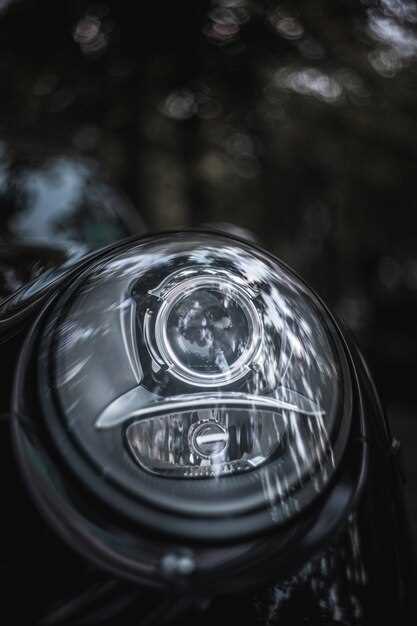
Properly adjusted headlights are crucial for maximizing visibility during nighttime driving or adverse weather conditions. Misaligned headlights can cause poor illumination of the road and may dazzle other drivers, increasing the risk of accidents. Here’s how to ensure your Jeep’s headlights are aimed correctly for optimal performance.
Follow these steps to adjust your headlights:
- Prepare Your Jeep:
- Park your vehicle on a level surface facing a wall or garage door about 25 feet away.
- Make sure your Jeep is loaded with any regular gear or accessories you typically carry.
- Ensure your tire pressure is correct, as it can affect vehicle height.
- Mark the Headlight Center:
- Turn on your headlights and activate low beam.
- Use tape to mark the horizontal center of the light beam on the wall.
- Adjust the Headlight Aim:
- Locate the adjustment screws on your Jeep’s headlight assembly. These are often found at the top or side of the headlight housing.
- Turn the screws to adjust the beam. The beam’s cut-off should be at or slightly below the height of the marked line on the wall.
- Test the Alignment:
- After adjustments, drive your Jeep at night to verify visibility.
- Observe the road and other vehicles to ensure your headlights illuminate the area effectively without blinding others.
Regularly checking and adjusting your Jeep’s headlights can greatly enhance your visibility and driving safety. Properly aimed headlights ensure you see obstacles clearly, while also keeping fellow road users safe from glare.
Comparing Halogen, HID, and LED Options
When considering an upgrade for your Jeep’s headlights, it is essential to evaluate the three most popular options: Halogen, HID (High-Intensity Discharge), and LED (Light Emitting Diode). Each type has its own characteristics, advantages, and disadvantages that can significantly impact visibility and overall driving experience.
Halogen headlights are the most traditional and commonly used option. They function by passing electricity through a tungsten filament in a halogen gas-filled bulb. While they are relatively inexpensive and easy to replace, Halogen lights are less efficient compared to newer technologies. They emit a warm light, which can be pleasant but often results in lower visibility during nighttime driving. The lifespan of Halogen bulbs is shorter, typically around 500 to 1,000 hours.
HID headlights provide a significant upgrade in brightness and efficiency. They use an electric arc between two electrodes to generate light, producing a much brighter output compared to Halogen. HID lights can illuminate a larger area and penetrate through darkness more effectively, improving nighttime visibility. However, they require a ballast for operation, which can complicate installation. Additionally, HID lights tend to have a lifespan of around 2,000 to 3,000 hours but can be more expensive than Halogen options.
LED headlights are rapidly gaining popularity due to their superior efficiency and longevity. Utilizing semiconductor technology, LED lights consume less power while providing bright, focused illumination. They offer an immediate start-up time and can produce various color temperatures, ranging from cool white to warm yellow. LED headlights typically last over 20,000 hours, making them an excellent long-term investment. While the initial cost may be higher than Halogen and HID options, the savings on replacements and battery usage can offset these expenses over time.
In summary, upgrading your Jeep’s headlights involves weighing the benefits and drawbacks of Halogen, HID, and LED options. Halogen lights are economical but offer limited performance. HID provides brighter lighting but comes with installation challenges. LED lights excel in efficiency and durability, making them the optimal choice for enhanced visibility and safety on the road.
Maintenance Tips for Long-Lasting Headlights
To ensure optimal visibility and performance from your upgraded Jeep headlights, regular maintenance is essential. Start by cleaning the headlight lenses periodically. Use a mild soap solution and soft cloth to remove dirt and grime. This simple step can significantly enhance light output and clarity.
Check the alignment of your headlights regularly. Misaligned headlights can lead to reduced visibility at night and may blind oncoming drivers. If you notice uneven light distribution, consult your manual for alignment procedures or seek professional assistance.
Inspect the wiring and connections associated with your headlights. Corrosion or loose connections can lead to flickering lights or complete failure. Ensure all connections are secure, and clean any corrosion to maintain effective electrical flow.
Replace bulbs as needed, even if they aren’t completely burnt out. Over time, headlights can dim, affecting visibility. Upgrading to high-performance bulbs can also provide brighter and clearer light, enhancing night driving experience.
Lastly, consider applying a protective sealant on the lenses. This can prevent them from yellowing and oxidizing over time, keeping your headlights performing at their best for a longer duration. Regular maintenance will ensure that your headlights continue to provide the visibility you need for safe driving.
Understanding Local Laws Regarding Headlight Upgrades
Upgrading your Jeep headlights can significantly enhance visibility and safety while driving. However, before making any modifications, it’s crucial to understand the local laws and regulations concerning headlight upgrades. These laws vary by state and municipality, and non-compliance can lead to fines or safety issues.
- Type of Headlights: Check which types of headlights are legal in your area. Common options include halogen, HID (High-Intensity Discharge), and LED (Light Emitting Diode). Some regions may have restrictions on brightness levels or specific colors.
- Brightness Limits: Many localities set maximum brightness levels for headlights. Upgrading to excessively bright headlights can be viewed as a safety hazard, potentially blinding oncoming drivers.
- Color Restrictions: Laws may dictate specific colors that are permissible for headlights. While white and yellow are typically acceptable, colors like blue or purple might be prohibited.
- Installation Standards: Ensure that the installation of upgraded headlights meets safety standards. Some jurisdictions require certified professional installation to ensure compliance with all safety regulations.
- Inspection Requirements: If you live in a state where vehicle inspections are mandatory, confirm whether headlight upgrades will affect your vehicle’s pass/fail criteria during inspections.
Before proceeding with any headlight upgrade, research your local vehicle codes and regulations to ensure compliance. This will help avoid potential legal issues and maintain safety during your off-road adventures.


