
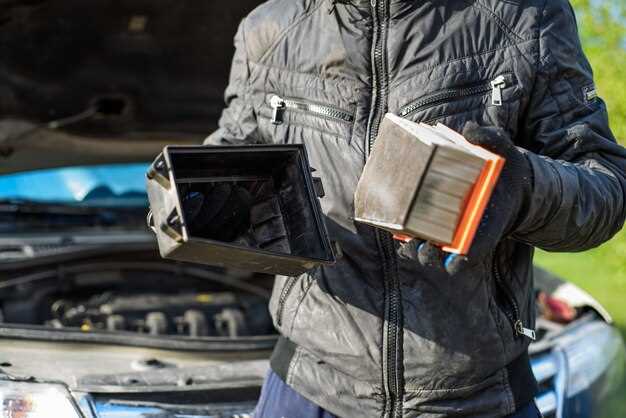
When you venture into the wilderness with your 4×4 vehicle, ensuring the optimal performance of your battery is crucial, especially in cold and harsh environments. Extreme temperatures can significantly affect battery efficiency, leading to unexpected failures and potentially stranding you in remote locations. Understanding how to properly care for your vehicle’s battery in these challenging conditions can make all the difference during your off-road adventures.
Cold weather presents unique challenges for batteries, as low temperatures can slow down chemical reactions within them, reducing their capacity and power. This is particularly important for 4×4 enthusiasts who often rely on their vehicles in rugged terrains where every component must function flawlessly. By employing a few preventative measures and maintenance tips, you can ensure that your battery remains reliable, enabling you to tackle the toughest trails without fear of being sidelined.
In this article, we will explore essential off-road battery care tips that will help you maintain peak performance, especially when facing the rigors of cold climates. From choosing the right type of battery to implementing effective maintenance routines, these insights will prepare you for any adventure, ensuring that your 4×4 is always ready to conquer the challenges that lie ahead.
Choosing the Right Battery for Cold Weather Conditions
When selecting a battery for your 4×4 vehicle, especially for use in cold weather, it’s crucial to prioritize options specifically designed to withstand low temperatures. Cold environments can significantly affect battery performance, leading to difficulties in starting your engine and reduced power output.
One of the key features to consider is the Cold Cranking Amps (CCA) rating. This measurement indicates the battery’s ability to start your vehicle in freezing conditions. Opt for a battery with a high CCA rating to ensure reliable starting power when temperatures drop. A higher CCA means the battery can deliver the necessary power even in the harshest cold weather.
Additionally, look for batteries that utilize advanced technology, such as AGM (Absorbent Glass Mat) or gel cells. These types are less susceptible to freezing and can hold their charge better in low temperatures compared to traditional flooded batteries. AGM batteries, in particular, are known for their durability and resistance to vibration, making them ideal for off-road conditions.
Another important factor is the battery’s insulation and housing. A well-insulated battery can maintain its temperature, reducing the likelihood of freezing and ensuring consistent performance. Ensure that the battery is securely mounted in your 4×4 to prevent movement, which can lead to damage during off-road adventures.
Lastly, regularly maintain your battery, particularly before winter. Clean the terminals, check the charge levels, and ensure the battery is fully topped up. This proactive approach can help you avoid unexpected failures when you need your 4×4 the most during those cold weather excursions.
Preparing Your Battery for Extreme Cold Temperatures

When driving off-road in cold weather, it’s crucial to ensure your battery is ready to withstand the harsh conditions. Low temperatures can significantly impact battery performance, reducing its efficiency and overall lifespan. Here are some essential tips to prepare your battery for extreme cold temperatures.
1. Check Battery Health: Before heading out, inspect your battery for any signs of wear, corrosion, or leaks. A weakened battery is more susceptible to cold weather issues. Use a multimeter to check the voltage; a healthy, fully charged battery should read around 12.6 volts or higher.
2. Insulate Your Battery: Providing insulation can help maintain optimal operating temperatures. Consider using a battery blanket or thermal insulation wrap designed for cold weather to keep the battery warm. This can help prevent freezing and ensure smoother starts in frigid conditions.
3. Keep Connections Clean: Corroded battery terminals can create resistance, increasing the chances of starting issues in cold temperatures. Clean any corrosion off the terminals with a mixture of baking soda and water, and ensure that connections are tight and secure.
4. Charge Regularly: Cold weather can drain your battery faster than usual. Make sure your battery is fully charged before embarking on off-road adventures. If you’re using accessories that draw power, consider investing in a solar charger or portable power bank to keep your battery topped up.
5. Test Before You Go: Prior to trips in cold weather, conduct a load test to ensure the battery can handle the demands of your vehicle. A professional can perform this test, or you can use a battery tester designed for DIY checks.
6. Store Properly: If you plan to leave your vehicle for an extended period in cold weather, consider removing the battery and storing it in a warmer environment. This prevents freezing and preserves battery health. If removal isn’t feasible, make sure the battery is well-maintained and fully charged.
By taking these proactive steps, you can enhance the performance and reliability of your battery even in the most extreme cold weather conditions. Proper preparation ensures your off-road adventures remain uninterrupted and enjoyable.
Maintaining Charge Levels in Off-Road Situations
When navigating through harsh environments, especially in a 4×4, maintaining optimal battery charge levels is crucial. The combination of challenging terrains and unpredictable weather can significantly impact battery performance. Here are essential tips for keeping your battery charged during off-road adventures.
1. Regular Monitoring: In extreme conditions, especially cold weather, battery charge levels can drop rapidly. Regularly check the voltage and overall health of your battery. Use a multimeter or battery monitor to ensure you remain aware of its status.
2. Use a High-Quality Battery: Invest in a battery specifically designed for 4×4 off-road activities. Opt for deep-cycle batteries with high cold cranking amps (CCA) to ensure reliable performance in cold temperatures.
3. Minimize Electrical Load: Reduce the use of non-essential electrical components when driving in challenging weather. This includes turning off lights, heaters, and other accessories that could drain power during critical moments.
4. Charge During Downtime: Whenever your vehicle is stationary, especially during breaks, utilize a portable solar charger or connect to a power outlet if available. Keeping your battery topped off can prevent unexpected failures.
5. Insulate the Battery: In cold weather, insulating your battery helps maintain optimal operating temperatures. Use a battery blanket or insulation wrap to protect it from the elements and extend its lifespan.
6. Proper Ventilation: Ensure your vehicle’s battery compartment has adequate ventilation. Heat buildup can lead to reduced performance and shorter lifespan, particularly in extreme environments.
By implementing these strategies, you can effectively maintain charge levels in your off-road vehicle, ensuring a smoother and more reliable adventure, regardless of the weather conditions.
Insulating Your Battery Against Low Temperatures
When venturing into cold weather with your 4×4, it’s crucial to protect your battery from the detrimental effects of low temperatures. Cold weather can significantly reduce battery performance, leading to issues like difficulty in starting your vehicle or decreased power output. Therefore, insulation is key to maintaining optimal battery function in harsh conditions.
One effective method to insulate your battery is to use a battery blanket or heater. These products are specifically designed to provide warmth, preventing your battery from freezing and ensuring it operates efficiently. A properly insulated battery maintains a higher internal temperature, which improves chemical reactions and increases performance during cold starts.
In addition to blankets, consider using thermal insulation wraps that are made from materials designed to retain heat. Wrapping your battery with these materials can create an additional layer against cold temperatures, helping to sustain its charge and longevity.
Moreover, ensure that your battery terminals are clean and coated with anti-corrosion spray. Corrosion can be exacerbated by moisture in cold weather, leading to connectivity issues. Proper maintenance of terminals contributes to more reliable operation, even in chilling conditions.
Lastly, parking your 4×4 in a garage or sheltered area whenever possible can make a significant difference. Reducing exposure to harsh elements minimizes the impact of cold temperatures on your battery, allowing it to function properly throughout the winter months.
Regularly Testing Battery Performance in Harsh Conditions
In off-road environments, extreme weather conditions can significantly impact battery performance, especially in cold climates. Regular testing of battery performance is essential to ensure reliability and longevity in such conditions. Cold weather can reduce a battery’s capacity and efficiency, making it vital to monitor its health consistently.
To effectively assess battery performance, consider conducting tests at various temperatures, particularly during low-temperature scenarios. Use a multimeter to check the voltage levels and ensure they align with the manufacturer’s specifications. Additionally, performing a load test helps determine if the battery can maintain its output under stress, which is crucial when navigating challenging terrains.
Keep an eye on the battery’s physical condition as well. Look for signs of damage, swelling, or corrosion, which can indicate that the battery may not perform well in cold weather. A battery in poor condition can lead to unexpected failures during critical moments while off-roading.
Implementing regular performance tests not only extends the lifespan of the battery but also ensures that your off-road vehicle operates efficiently in harsh environments. Being proactive in monitoring battery health is key to avoiding breakdowns and ensuring a smooth ride, regardless of the weather conditions.
Troubleshooting Common Battery Issues in Cold Environments
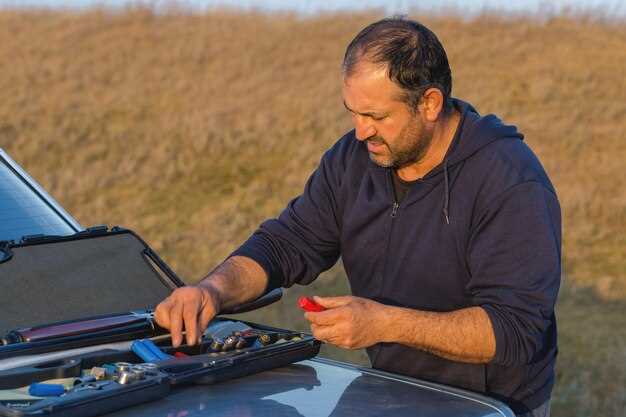
Cold weather can significantly impact the performance of your off-road vehicle’s battery, especially for 4x4s that are often used in challenging conditions. Here are some common battery issues that arise in cold environments and how to address them:
- Reduced Battery Capacity
In cold weather, a battery’s ability to hold a charge diminishes. This may result in difficulty starting your vehicle. If you suspect this is the case:
- Check the battery voltage with a multimeter. A reading below 12.4 volts indicates a weak battery.
- Warm the battery gently using a blanket or charger designed for low temperatures, but avoid direct heat sources.
- Corrosion Issues
Cold weather can lead to increased moisture, causing corrosion on the battery terminals. To tackle this issue:
- Inspect the battery terminals for any signs of corrosion.
- Clean corrosion using a mixture of baking soda and water, then rinse with clean water and dry thoroughly.
- Inability to Hold Charge
A battery may fail to retain a charge in extreme cold. If this issue arises, consider the following:
- Test the battery’s ability to hold charge with a load tester.
- If the battery shows positive results under load but fails to hold charge daily, it may be near the end of its life and require replacement.
- Freezing of Battery Electrolyte
In extremely cold temperatures, the electrolyte fluid within the battery can freeze, leading to severe damage. To prevent this:
- Keep your battery charged as a fully charged battery is less likely to freeze.
- Consider using a battery heater if you frequently operate in sub-zero temperatures.
- Failed Starting in Cold Weather
If your 4×4 struggles to start in the cold:
- Ensure that your battery terminals are clean and securely fastened.
- Assess the starter and wiring for any issues that may be preventing the engine from turning over.
By addressing these common battery issues proactively, you can ensure that your off-road vehicle remains reliable, even in harsh winter weather conditions.


